The Ethical Investor: Can You Make Money While Doing Good?
by Amanda Vaught
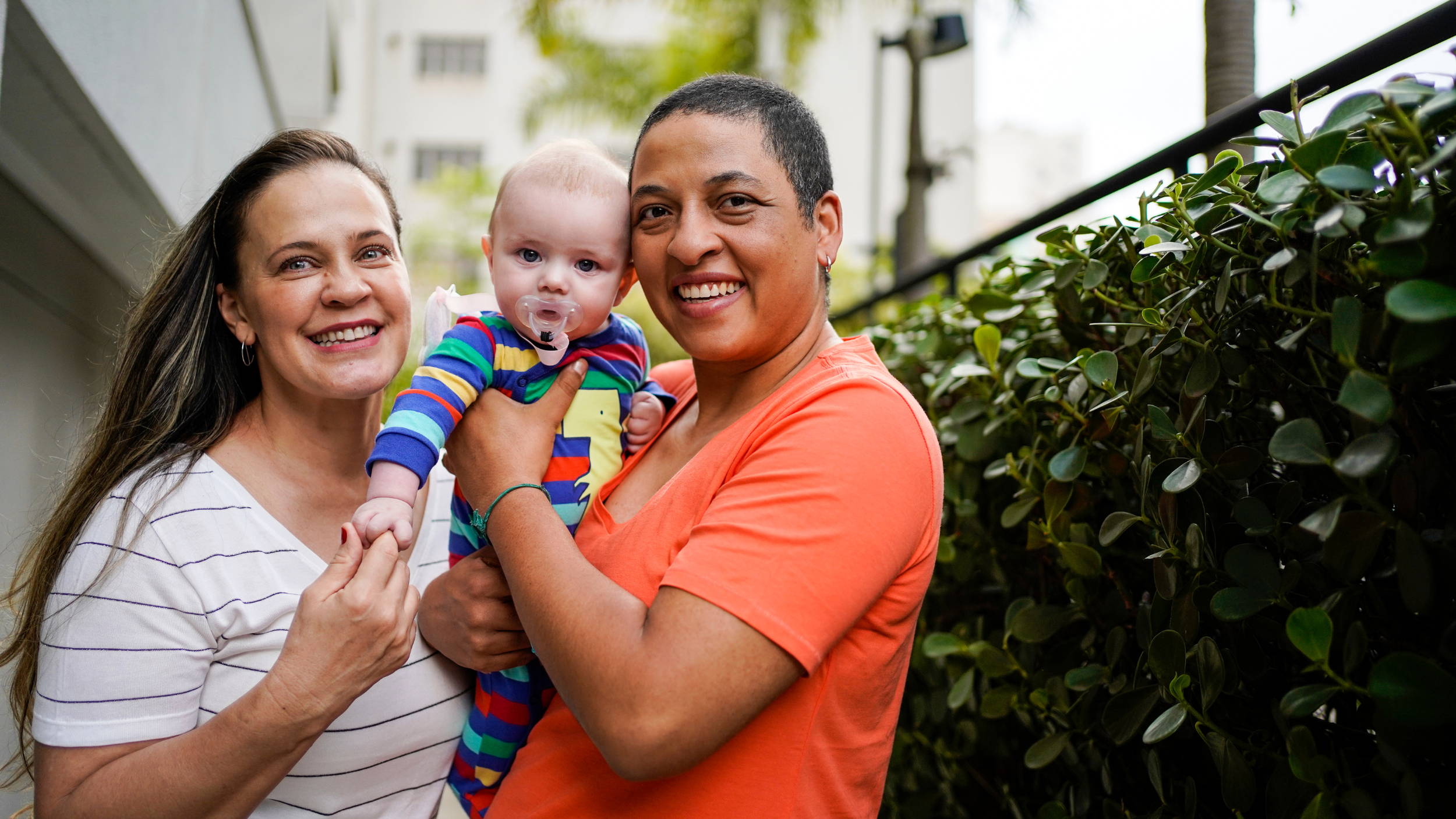
One of the most common questions we hear from our clients -especially those living in cities, raising families, and paying attention to the world around them - is this:
“I’ve worked hard for this money. Do I have to check my conscience at the door to grow it?”
There has long been a prevailing myth in the financial world that you have to choose between your values and your returns. The old school of thought was simple: Make as much money as possible in the market (regardless of how it’s made), and then use your profits to donate to charity if you want to do good.
But for clients like Jeanine and Holly, our hypothetical couple living in Brooklyn, that separation doesn't sit right anymore. They lean left politically, they worry about climate change for their kids, and they care about diversity. They don't want to wake up in 20 years with a comfortable retirement that was funded by companies actively working against the world they want to live in.
The good news? The data suggests you don't have to choose. In fact, aligning your investments with your values might actually make your portfolio stronger.
The "Values" Spectrum: It’s Not All or Nothing
When Jeanine and Holly come to us, they usually start with a list of things they don’t want: "No private prisons, no guns, maybe less oil."
This approach is called Divestment. It’s a moral choice. It’s about being able to sleep at night knowing you aren't profiting from industries you fundamentally disagree with. While divesting doesn’t necessarily put a company out of business (someone else will buy the stock), it aligns your money with your integrity.
But we encourage clients to look beyond just "avoiding the bad" and look toward ESG (Environmental, Social, and Governance) investing. This isn't just about being a "do-gooder"; it's about risk management.
ESG as a Quality Filter, Not Just a Political Statement
Let’s look at the logic here.
Environmental: If a company pollutes heavily, they face regulatory fines, cleanup costs, and public backlash. A company that manages its environmental footprint well is less risky.
Social: How does a company treat its employees? If they underpay their staff or have unsafe conditions, they face strikes, high turnover, and lawsuits. A company that treats people well tends to be more stable.
Governance: Is the board diverse? Are executives paying themselves massive bonuses while the company tanks? Good governance usually signals a well-run company.
When we build portfolios for clients like Jeanine and Holly, we aren't just looking for "nice" companies. We are looking for sustainable companies. We believe that companies that ignore these factors are taking on hidden risks that could hurt their stock price in the long run.
The Financial Case for Diversity
A specific area where we see this play out is in Diversity, Equity, and Inclusion (DEI).
Some skeptics dismiss DEI as purely political or "woke." But when you look at the data, it is often a sound financial strategy. Studies have shown that diversity, especially in corporate settings and on boards, enhances financial outcomes.
Why? Because groupthink is dangerous in business. When a boardroom is filled with people who all look the same, come from the same background, and think the same way, they miss risks and they miss opportunities. Diverse teams bring different perspectives that lead to better problem-solving and innovation.
For Jeanine and Holly, investing in companies with strong DEI policies isn't just about social justice; it's about betting on companies that are smart enough to leverage the full talent pool.
Customizing Your Impact
The beauty of modern investing is that we don't have to use a "one size fits all" cookie-cutter portfolio.
For Jeanine and Holly, we might build a strategy that:
Screens out specific industries they find objectionable (like tobacco or firearms).
Tilts toward companies with high ESG ratings - meaning they are best-in-class at managing their environmental and social risks.
Allocates a portion of their portfolio to "Impact" themes, like green energy or infrastructure.
We can do this while keeping their costs reasonable and ensuring they are diversified enough to meet their long-term goals, like funding their kids’ college or that future "downshift" in their careers.
Watch: Investing in Change
In this episode of Connecting the Dollars, Emily and I dive into the real-world application of Diversity, Equity, and Inclusion in investing. We discuss why these initiatives are often rooted in financial strategy rather than just politics, and how you can align your portfolio with the change you want to see.
Why I Joined the Values Advisor Platform
Over the years, I’ve noticed something consistent in my conversations with clients like Jeanine and Holly.
They don’t just want to know what they’re invested in.
They want to know why.
They want to understand how their money fits into the bigger picture of their lives - their families, their careers, their communities, and the world their kids are growing up in.
That’s why I recently joined the Values Advisor platform.
For me, it wasn’t about earning a badge or checking a box. It was about aligning myself with a community of advisors who believe that good financial planning starts with listening — really listening — to what matters most to you.
Being part of Values Advisor reflects how I’ve always approached this work.
I don’t believe in cookie-cutter portfolios.
I don’t believe in telling clients to ignore their instincts or their ethics.
And I don’t believe you should have to choose between doing well financially and feeling good about how you got there.
When I work with clients, my goal is never just to “optimize returns.”
It’s to help you feel informed, confident, and at peace with your decisions.
Joining Values Advisor reinforces that commitment.
It connects me with people who are actively seeking an advisor who cares about things like:
• Long-term sustainability
• Responsible business practices
• Community impact
• Fairness and transparency
• Family security
Most importantly, it signals to my clients that their values are not an afterthought in our planning process — they are the foundation.
If you’ve ever felt like your financial life and your personal values were living in two separate worlds, I want you to know they don’t have to be.
My role is to help you bring them together — thoughtfully, realistically, and in a way that supports the life you actually want to live.
Your Money Has a Voice
You have power as a consumer, and you have power as an investor. If you are tired of feeling like your financial life is disconnected from your personal values, let’s talk.
We can help you build a portfolio that honors your ethics without sacrificing your future security.
